
The Neuroscience Behind Breaking Career Plateaus
Even the most driven professionals encounter ruts. One day, your calendar is full; the next, you are stuck on repeat, wondering if you have reached your peak. You are not alone. About one-third of U.S. employees cite limited growth as the top reason for leaving their jobs. The good news is career plateaus are not personal failings, but patterns rooted in the brain.
The Hidden Architecture Of Career Plateaus In The Brain
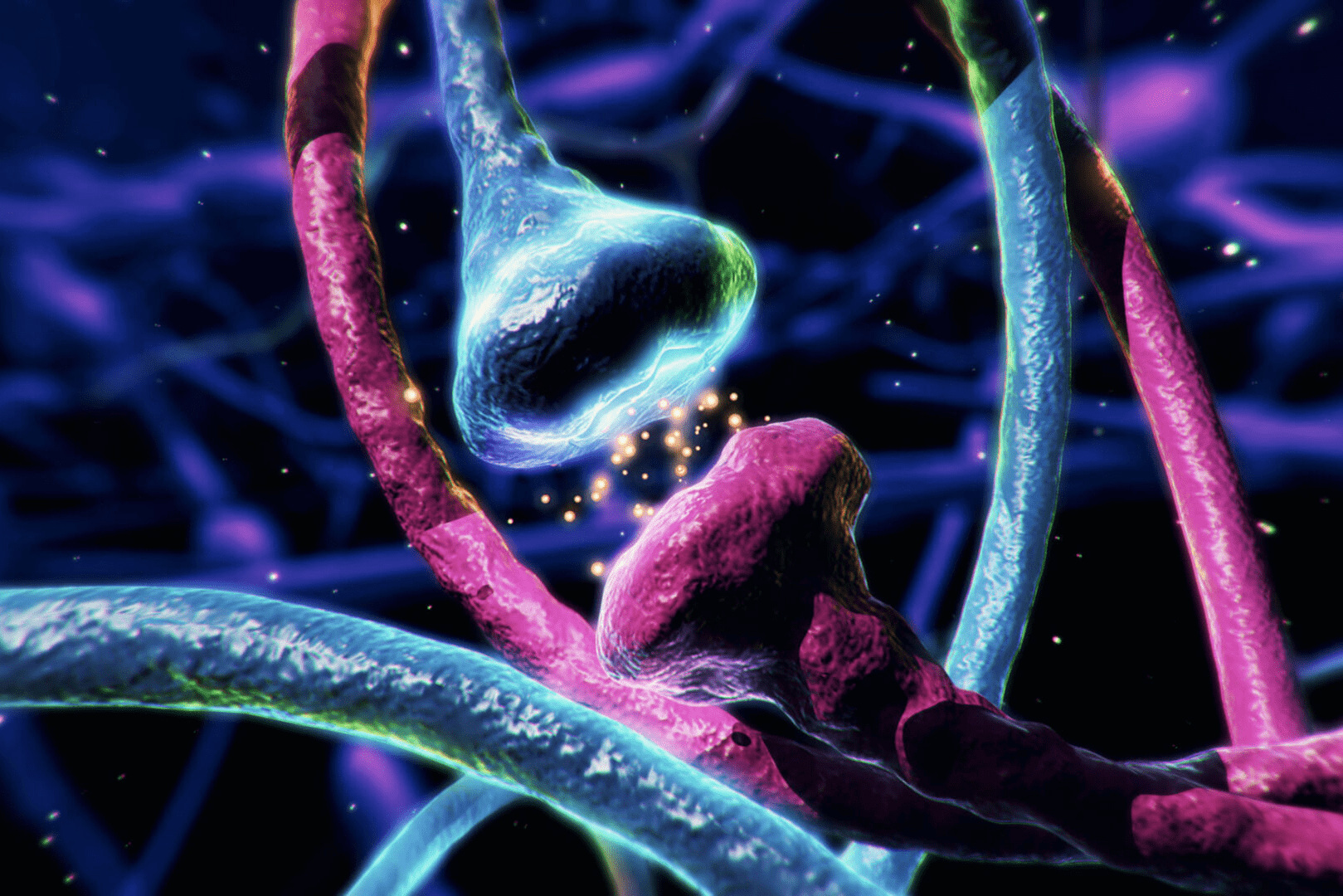
Picture your brain as a vast network of highways. Early in your career, new challenges pave fresh neural pathways, boosting decision-making and creativity. Over time, routines reinforce the same circuits, while unused routes fade—a process called neuroplasticity. When efficiency overtakes exploration, plateaus appear.
Executive function, the brain’s “CEO” for planning and self-control, can slip into autopilot. Research shows that by age 32, brain architecture stabilizes, often leading to a plateau in intelligence and personality. Workplace norms like KPIs, quarterly reviews, and risk aversion reinforce this stagnation.
Common signs include feeling stuck despite strong performance, waning motivation and creativity, and hidden barriers to leadership. Only 31% of U.S. employees report feeling engaged at work. Recognizing these neural patterns is the first step toward meaningful brain science career growth.
Neuroplasticity As The Gateway To Professional Reinvention
Neuroplasticity is more than a buzzword—it is the foundation for transformation. Challenging the brain intentionally sparks new synaptic connections, overriding limiting habits. Expert coaching integrates traditional mentoring with lab-validated protocols, ensuring change is lasting.
Set “Goldilocks” stretch goals that are ambitious yet attainable to promote growth and motivation. Practice mindful habit formation by pairing a new behavior with an existing routine, such as reflecting on a big-picture question during morning coffee. Cultivate a growth mindset by shifting from “I am not strategic” to “I am building strategic muscles.”
Clients report faster promotions and improved adaptability, as this approach targets neural pathways rather than just task lists. This measurable advantage sets neuroscience coaching career services apart from generic advice.
Unleashing Executive Function For Breakthrough Performance
Executive function is built on working memory, cognitive flexibility, and inhibitory control. In high-pressure environments, such as product launches or funding rounds, these skills determine whether leaders excel or falter.
Focus training involves short, intense attention sprints to strengthen prefrontal networks. Decision-mapping uses visual frameworks to reduce memory strain and sharpen judgment. Adaptive rehearsal means practicing simulated scenarios to train the brain to pivot quickly.
A mindful leadership pilot at Google increased engagement by 25%. Whether you are an analyst or a VP, enhancing executive function supports career transformation and prevents plateaus from becoming permanent.
Quick Exercise
Set a 15-minute timer and focus on one complex task with no distractions. When time is up, jot down one insight. Repeat daily to strengthen neural pathways for deeper focus.
The Science Of Motivation And Habit Formation For Lasting Change
Motivation is driven by brain chemistry. Dopamine surges when we anticipate rewards, reinforcing behavior loops. While external incentives like bonuses are fleeting, intrinsic drivers—purpose, mastery, and autonomy—sustain long-term progress.
Common struggles include starting strong but losing momentum, or knowing what to do without following through consistently. Motivation science shows habit stacking is a reliable solution. For example, after each virtual team meeting, spend two minutes noting micro-wins. This ritual strengthens the brain’s reward circuit, linking reflection with achievement and encouraging ongoing effort.
Experts incorporate habit formation protocols into every coaching package and tracks progress with brain-based assessments. This approach outperforms motivational talks by targeting the neural loops behind inconsistency.
Crafting Your Optimal Performance Brain Through Neuroscience Coaching
A holistic neuroscience career plateaus strategy includes:
Personalized neural assessments: Quick online tests map your cognitive strengths, saving months of trial and error in goal setting.
Tailored growth roadmaps: Weekly milestones aligned with brain cycles ensure sustainable progress.
Executive leadership series: Advanced modules on strategic thinking and resilience, ideal for leadership development.
Risk-free trial session: The first meeting is complimentary, so you can experience brain-based coaching with no upfront commitment.
Integrate these tools by booking a trial after an annual review, pairing the six-session package with a new fiscal quarter, or starting the leadership series ahead of a promotion cycle to proactively overcome career stagnation.
Embracing career advancement neuroscience means cultivating an optimal performance brain, ready for a dynamic market where AI could impact up to 40% of working hours by 2025. Brain-based upskilling positions you ahead of automation and evolving job demands.
Embark On Your Brain-Powered Career Transformation
Career ceilings are not fixed—they are neural circuits shaped by routine, neuroplasticity, executive function, and motivation. Each insight reveals a single truth: your neural wiring is the ultimate lever for professional growth.
Coaches turn science into action with assessments, tailored coaching, and a risk-free trial. Begin your journey to an optimal performance brain and join those using brain-based coaching to future-proof their ambitions.
The Power To Advance
Breaking career plateaus requires more than willpower—it demands understanding the brain’s architecture and leveraging neuroplasticity, executive function, and motivation. With NeuroVis CMT’s science-backed coaching, you can unlock new pathways for growth and resilience. Seize your opportunity and take the next step.
References
Cognitive Science Careers Exploding in 2025
Setting Up for 2025 Success A Neuroscience-Driven Approach
Insights from a Career at the Border of Developmental Psychology and Cognitive Neuroscience
Setting Goals That Drive Success in 2025 A Neuroscience Perspective
Thriving after 45 is the best still to come
What Is Neuroplasticity 2025
Fastest Growing Careers In Psychology
Will the Job Market Improve in 2025 Key Trends & Predictions
Career Development in 2025 Navigating the Future of Work
Top 5 Trends in Neuroscience You Need to Know in 2025
Why is revenge quitting making a comeback in 2025 1 in 3 blame career stagnation
